
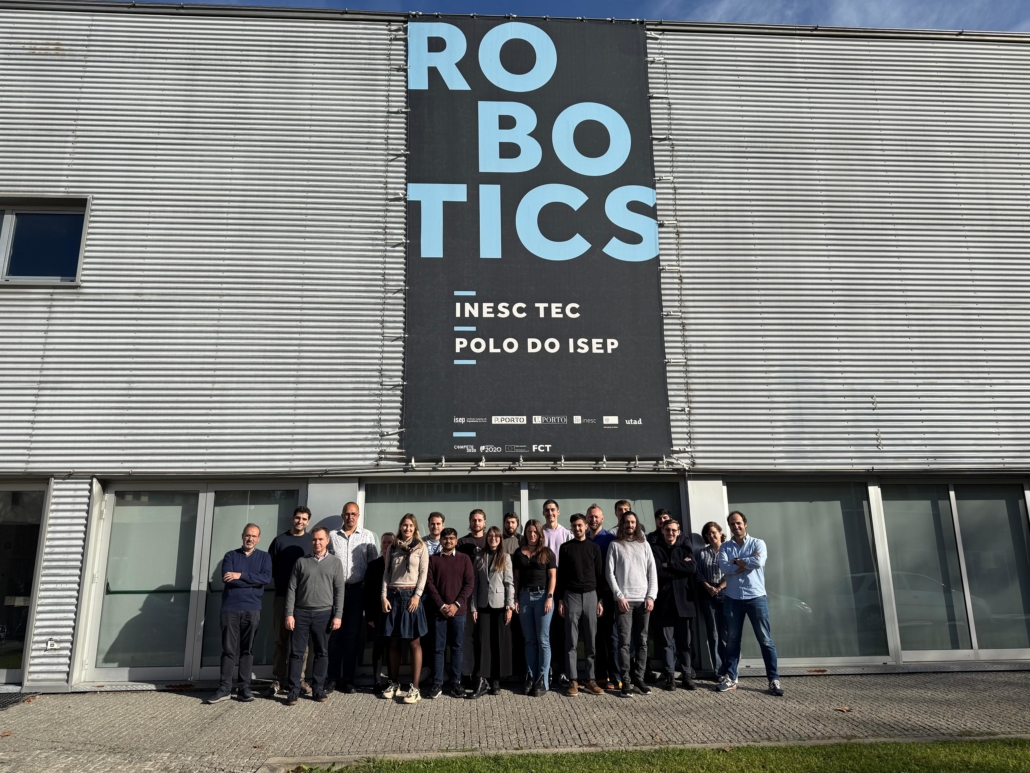
AIRSHIP Consortium Meeting (Porto, November 2025)
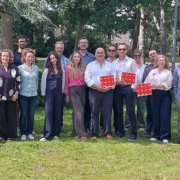
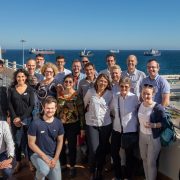
From the 25th until the 27th of November 2025, the AIRSHIP partners met in Porto (Portugal) for their 6th Consortium Meeting. Hosted by Portuguese partner INESC TEC. Over three days, partners reviewed progress across all Work Packages, exchanged information on technical developments, and collaborated on the next steps of the AIRSHIP innovation pathway by actively engaging in a roadmapping workshop organised by LPRC.
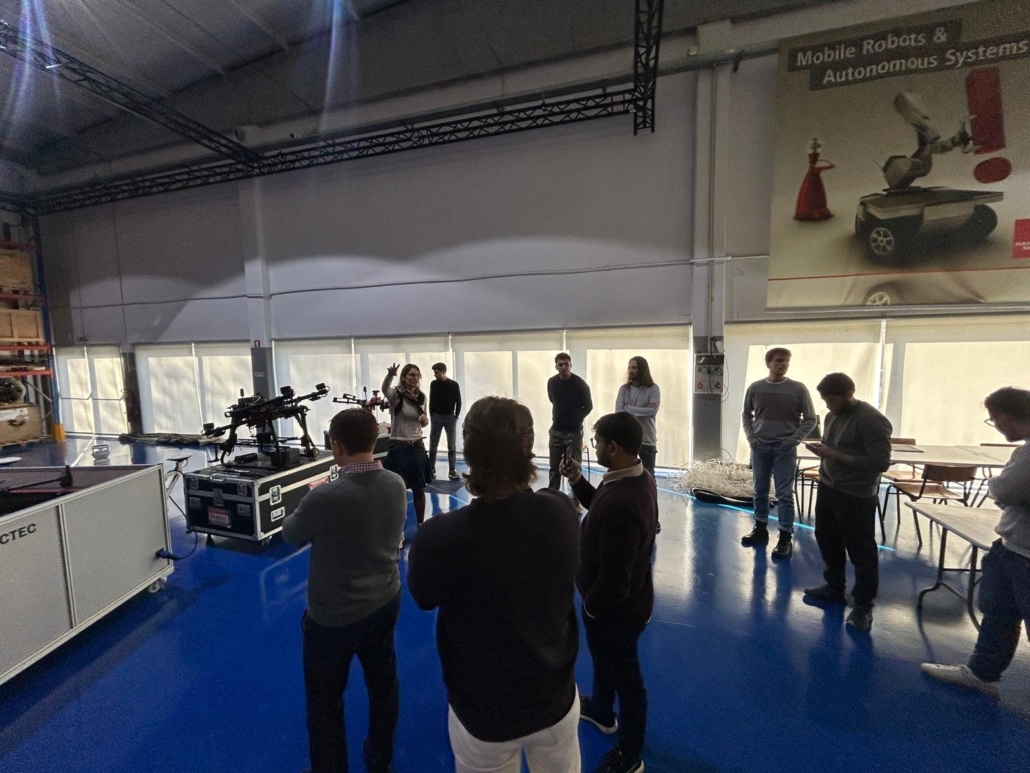
The programme included updates across Work Packages, dealing with project coordination and management, sustainability and social impact assessments, Wing-In-Ground design, power and control avionics, perception and mission systems, and ongoing and planned field-testing and Wing-In-Ground integration. These exchanges provided an important checkpoint as AIRSHIP moves into its final year of development.
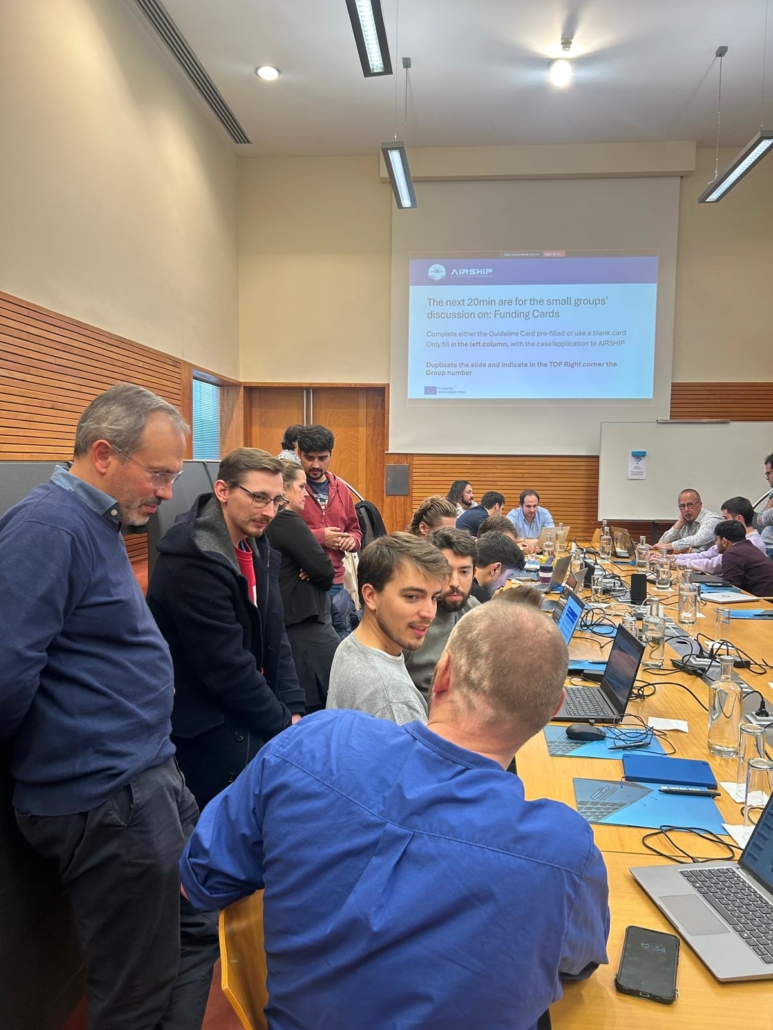
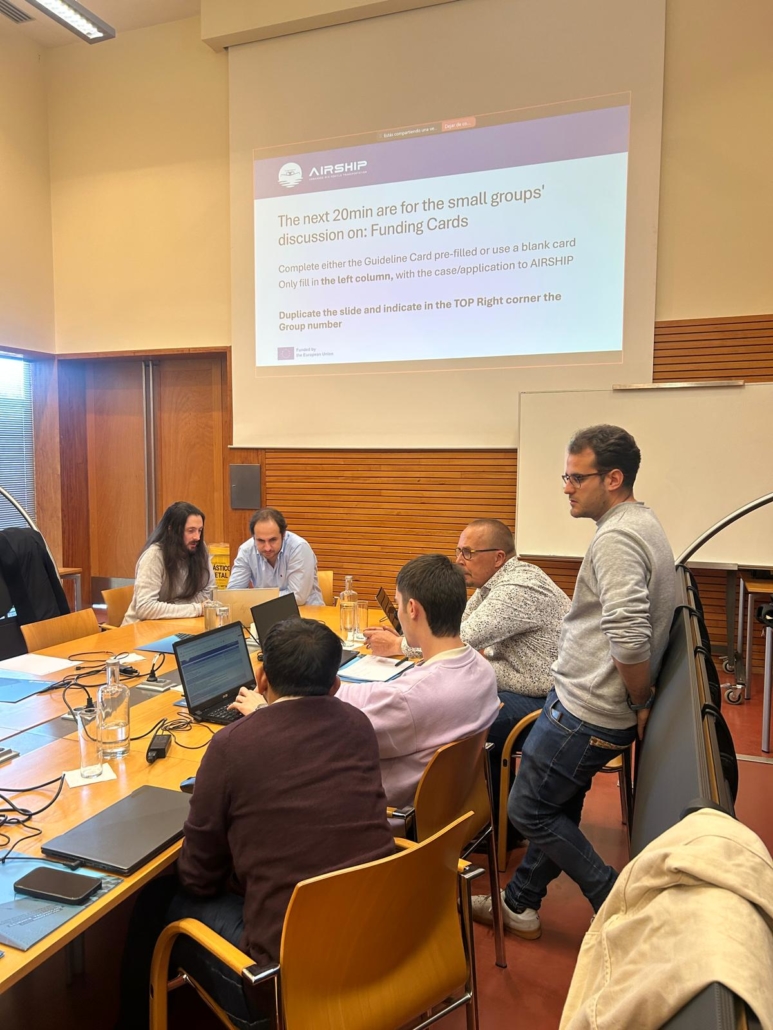
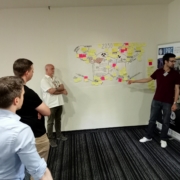
A key milestone of this meeting was the Roadmapping Workshop organised by LPRC. The roadmapping exercise focused on the backcasting methodology from foresight studies to further work on the pillars identified by partners in the 1st Roadmapping Workshop (May 2025, Tampere, Finland). This second workshop built directly on the outcomes of the online experts’ discussion hosted on the 29th of October, where external specialists worked with the guideline-cards’ approach to identify targets, bottlenecks, and pathways to address three central pillars in innovative technological research and development projects: Reliability, Regulations, and Funding.
Similarly to the 1st Roadmapping workshop, partners were distributed into four groups ensuring diversity of technical expertise and partners’ representation. The discussion was structured as follows: the small groups worked on guideline cards addressing one of the three pillars at a time for around 20 minutes, the outcomes of which were presented in a plenary discussion; then, groups worked on the other two pillars based on the same method.
As AIRSHIP enters its final year, the Innovation Agenda and Roadmapping (Task 9.3) and the Exploitation Strategy (Task 9.1) are closely aligned alongside technical and socio-environmental progress across Work Packages, to guide the remaining development and implement the strategy for after the funded period.
 La Palma Research Centre
 Tamas Miklovicz
 ROBOMINERS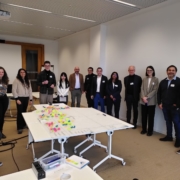
 Tamas Miklovicz
